
Branded SEO Traffic in iGaming: How We Drove 2,500+ FTDs in a Month

A case study on how the Barrigaz team used dvig.ai to build a mirror site network and drive 2,500+ FTDs per month through competitors’ branded search traffic.
A client came to us with a clear brief: acquire new players - not redistribute traffic within their existing brands, but bring in genuinely new users. We built a mirror site network that captured branded search traffic from other operators and converted it into registrations and deposits.
This case study is published with the client’s permission. Some data has been redacted - it is commercially sensitive, but the redactions do not distort the picture or affect the conclusions.
Navigation
- Campaign Results
- Conversion by Brand
- Infrastructure and Automation
- SERP Position Dynamics
- Competitor Reactions
- Mirror Rotation
- Conclusions
Campaign Results
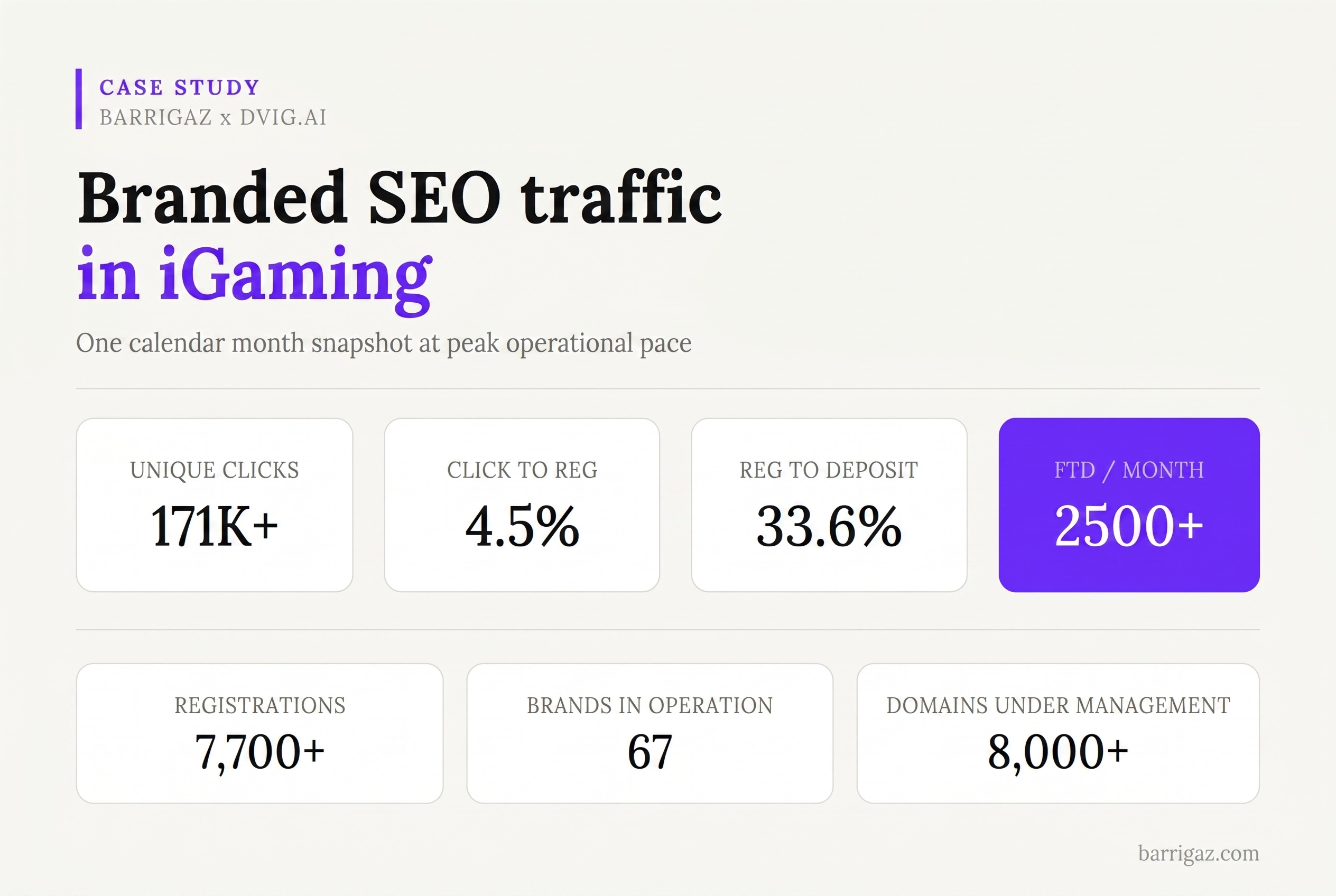
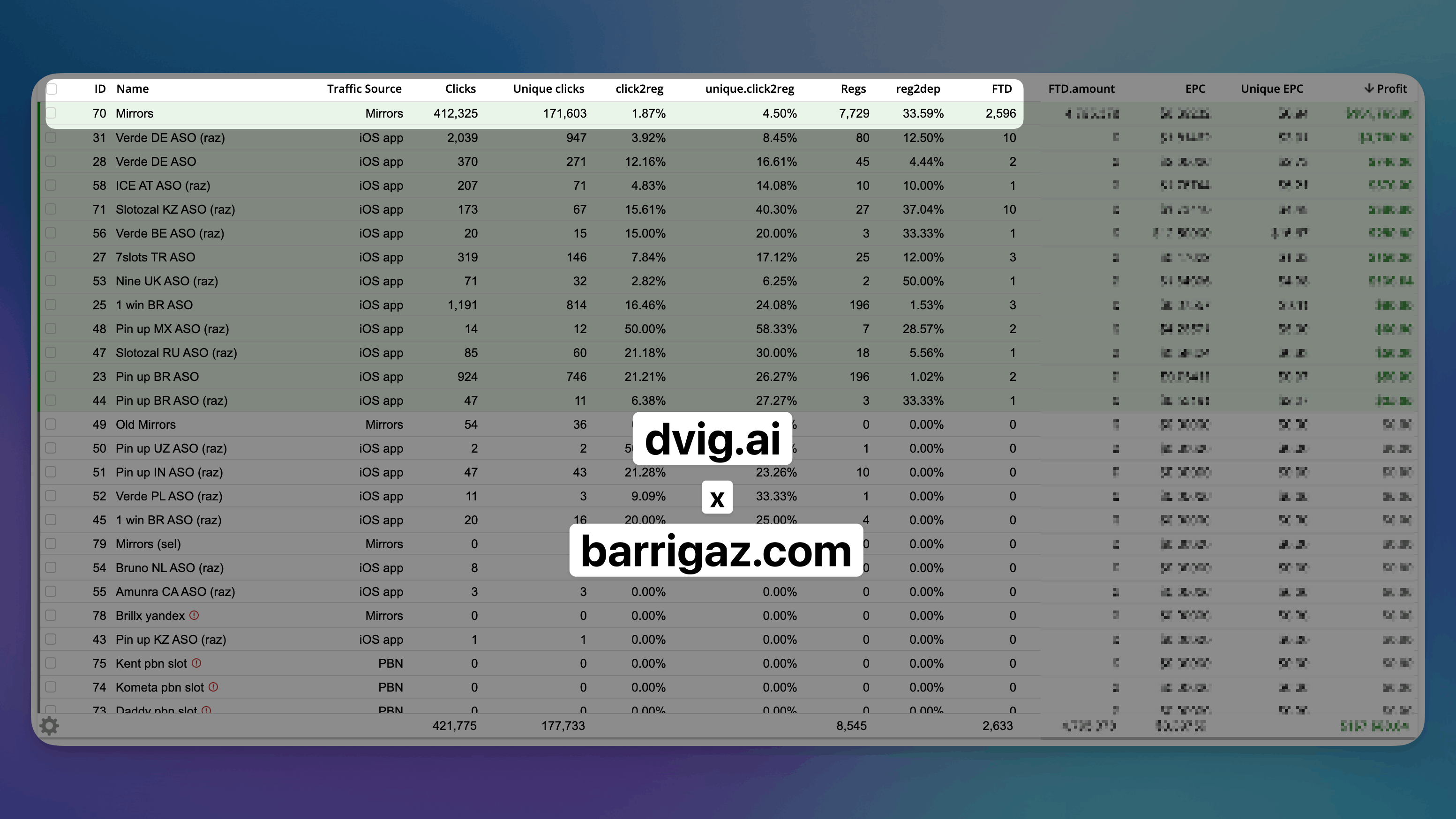
The numbers below are a one-month snapshot taken when the campaign was running at full operational pace.
- Period: 1 calendar month
- 171,000+ unique clicks
- Click to registration: 4.5%
- Registration to deposit: 33.6%
- 7,700+ registrations
- 2,500+ first time deposits (FTD)
- 67 brands in operation
- 8,000+ domains under management
One important caveat: this is not what month one looks like. Getting to these numbers takes time - primarily because of how drop domain selection and acquisition works. What you are seeing is the compounding result of several months of systematic work.
Conversion by Brand
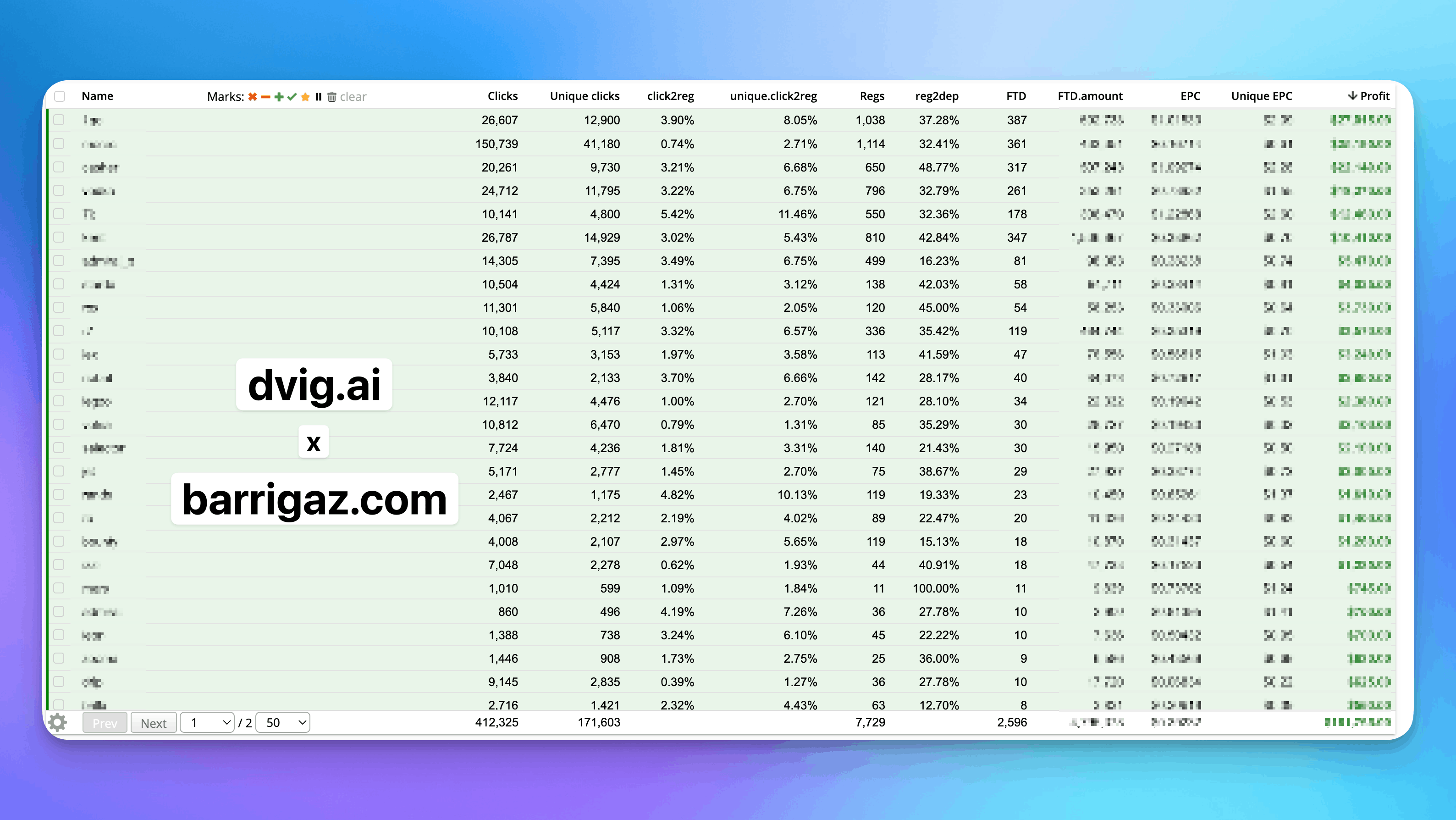
67 brands were active across the campaign. The screenshot shows the per-brand breakdown with conversion metrics. The variance from brand to brand is significant - and expected. Final conversion is shaped by a combination of factors: brand awareness in the market, competition level, where a specific mirror sits in the SERP, and a lot more.
Infrastructure and Automation
The campaign ran across 8,000+ domains in total. Part of that was the mirror layer - sites ranking in search and pulling in traffic directly. The rest was the PBN layer, providing the link profile that made the mirrors rank. Every single backlink came from our own PBN - no third-party sources.
The full SEO cycle was built around automation from the ground up. One distinction worth making: AI agents and classical automation are not the same thing, and we used both deliberately. AI agents are not the right tool for every job - in a number of processes, classical automation is simply more reliable and predictable. Knowing which to reach for, and when, is part of what makes the system work.
Drop domain selection is a good illustration. We started with a team of 10+ people on this task. As tooling and processes matured, we brought that down to one AI agent working alongside one human SEO specialist, who handles strategy oversight and the acquisitions that cannot be automated.
Deployment, content generation, and the rest ran on autopilot. Rather than get into the details here, the easiest way to understand the full scope is to watch the platform walkthrough on our YouTube channel.
SERP Position Dynamics
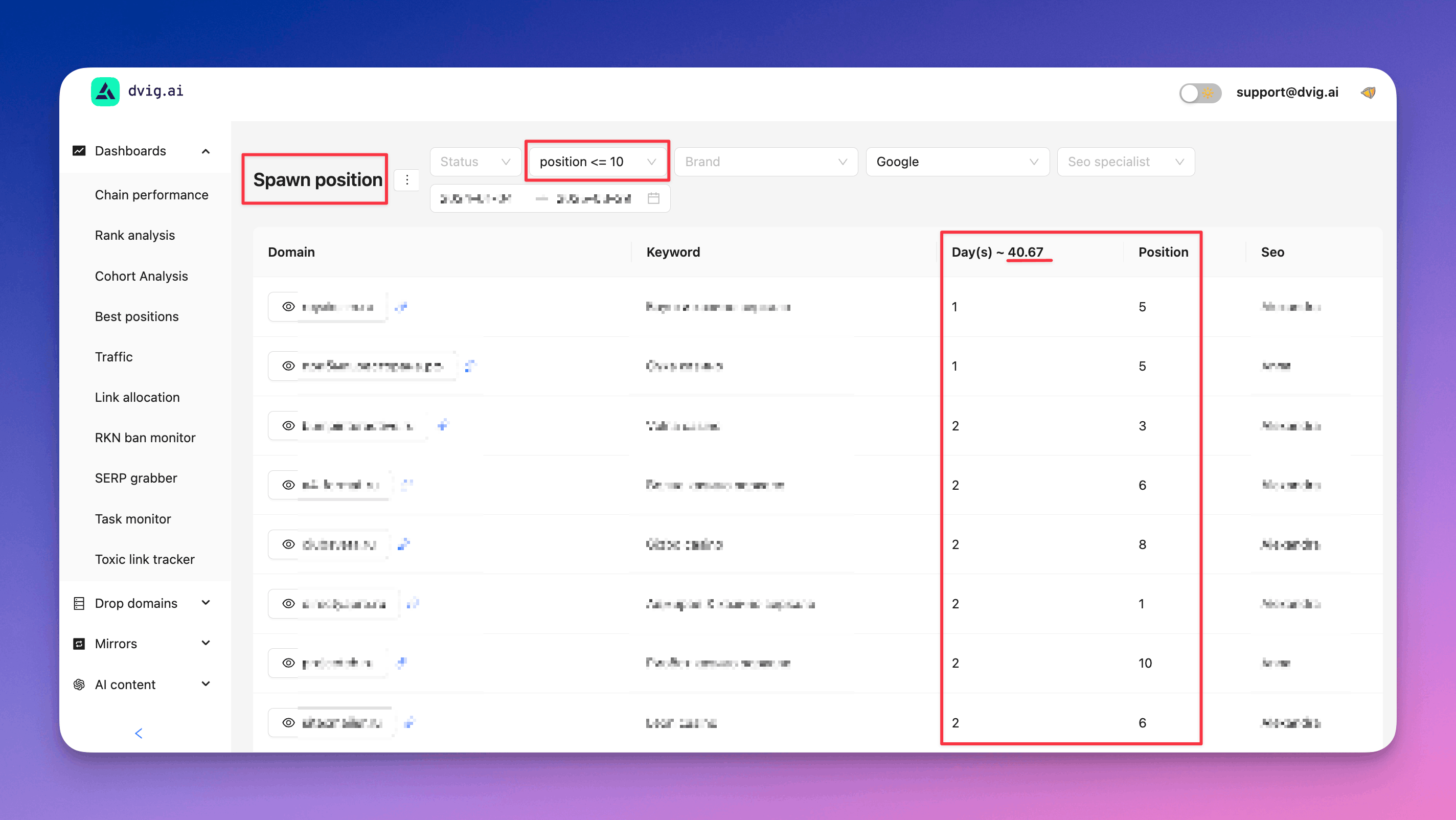
On average, a site reached the top 10 within 40 days of deployment - we track this in a dedicated report in the platform, shown below. But the average does a poor job of capturing what actually happens. A meaningful share of sites broke into the top 10 within days of going live and getting links placed. The main drivers of speed were domain quality and how competitive the branded query was.
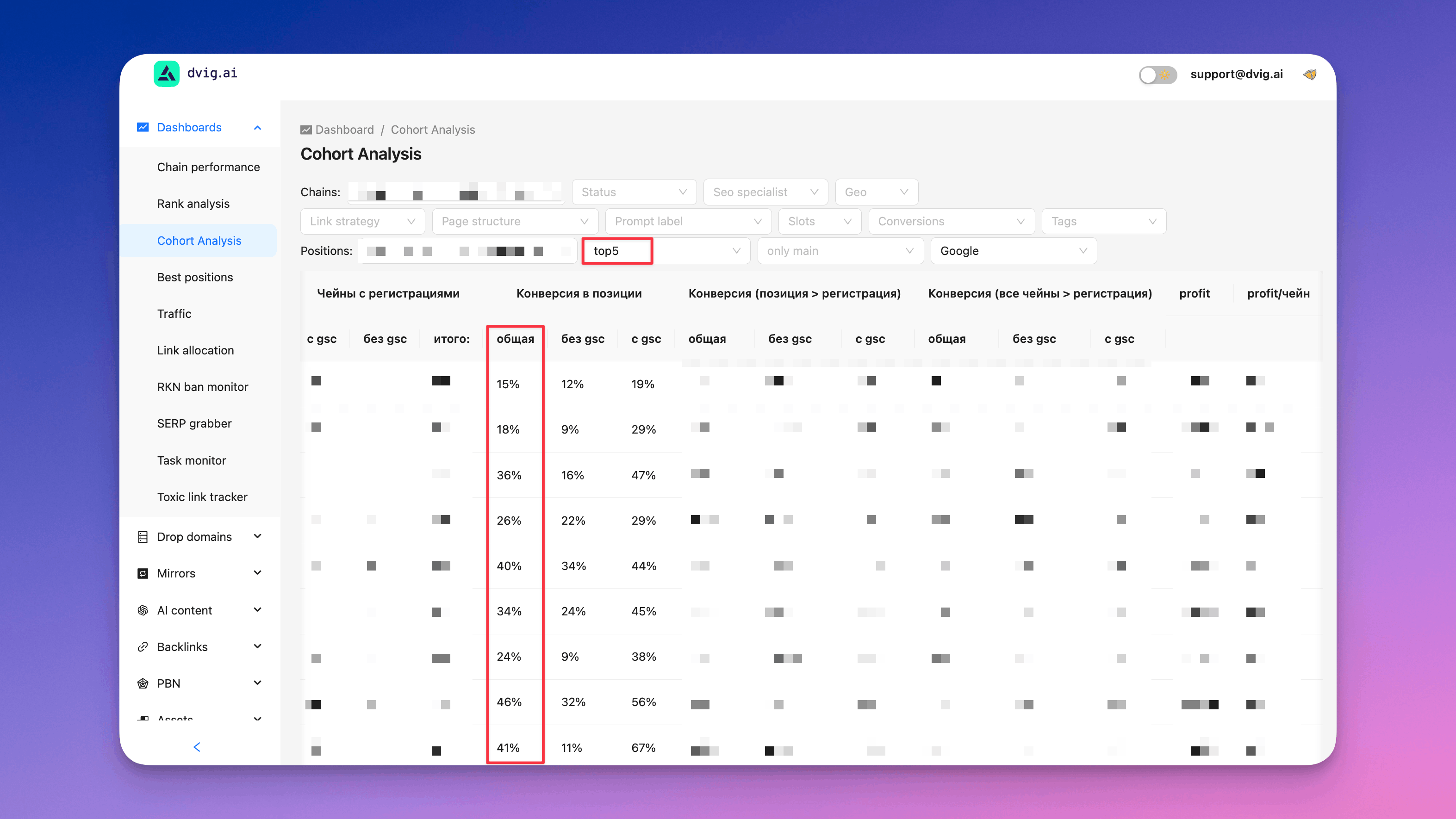
Looking at SEO strategy effectiveness more broadly: on average, 20% of sites reached the top 5. To track this across different launch strategies, hypothesis tests, brands, and other parameters, we built a cohort analysis dashboard. Granular analytics is one of the non-negotiables when you are managing a network at this scale.
Competitor Reactions
Once the network starts pulling meaningful branded traffic volume, operators notice. We saw the full range of responses.
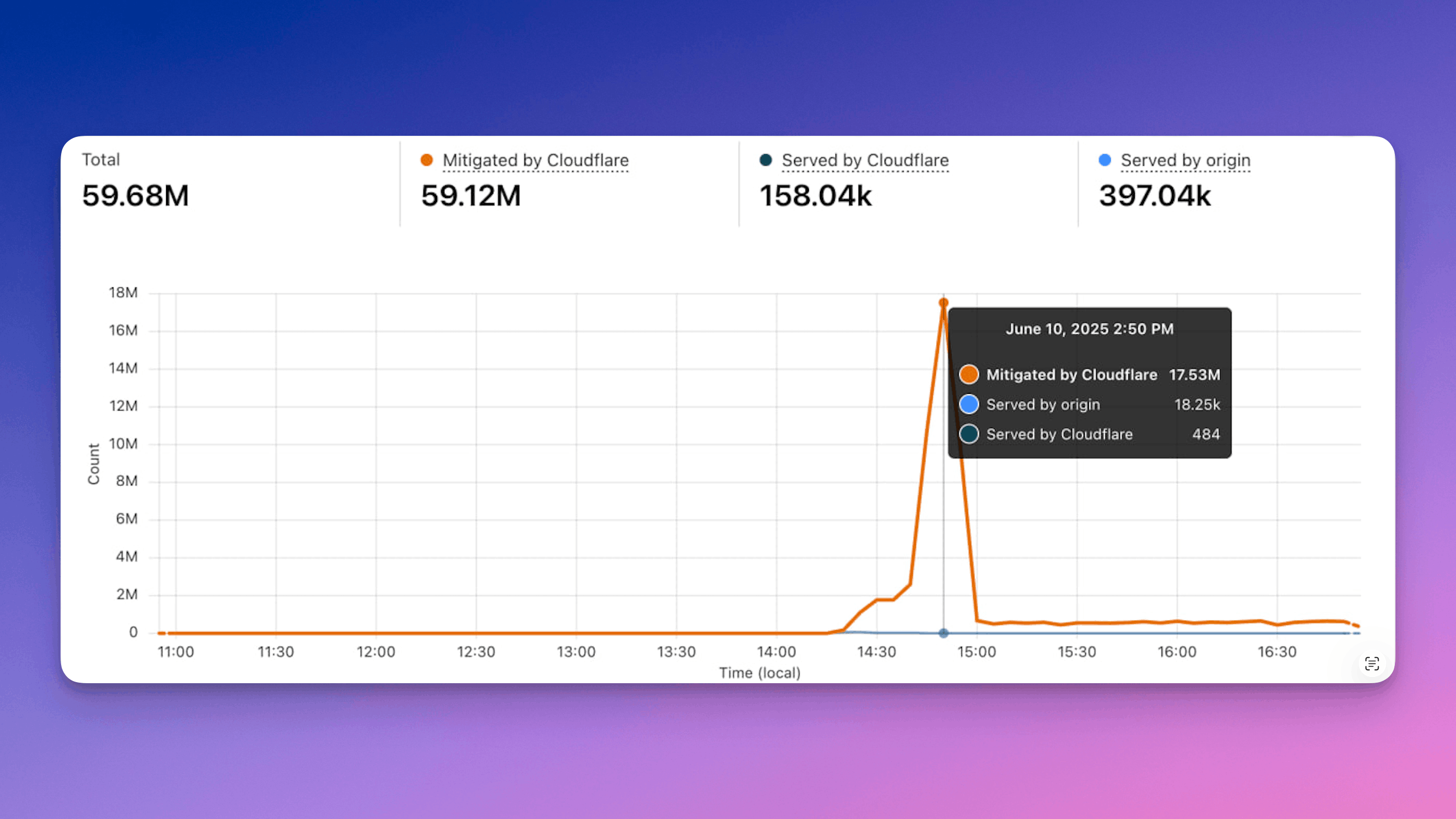
1. DDoS attacks. The most aggressive move in the playbook. Worth noting: we later ended up working with several of the operators who had attacked us.
2. Abuse complaints. DMCA filings, phishing reports - the standard legal toolkit. More on how well that actually works in the conclusions.
3. Toxic backlink campaigns. Competitors pushed toxic links at our domains trying to accelerate their deindexation.
All of this is standard operating reality in this niche - not an edge case. We have processes built around every one of these scenarios: monitoring, alerts, rapid replacement. While individual domains go down, the network keeps producing.
Mirror Rotation
Rotation happened for two reasons: Google filters and bans from local regulators. Google was largely inert - position drops tracked with normal search update cycles, nothing out of the ordinary.
Local regulators were a different matter. The term “regulator” here means a local internet censor that restricts access to domains at the ISP level. Examples include:
- BTK (Turkey)
- CRTC (Canada)
- CNMC (Spain)
- Roskomnadzor / RKN (Russia)
- and others
Ban speed varied heavily by brand visibility. Some mirrors got blocked within days of hitting the top. Others ran undisturbed for three months. Our ban protection system contributed meaningfully here, extending mirror lifespan wherever possible.
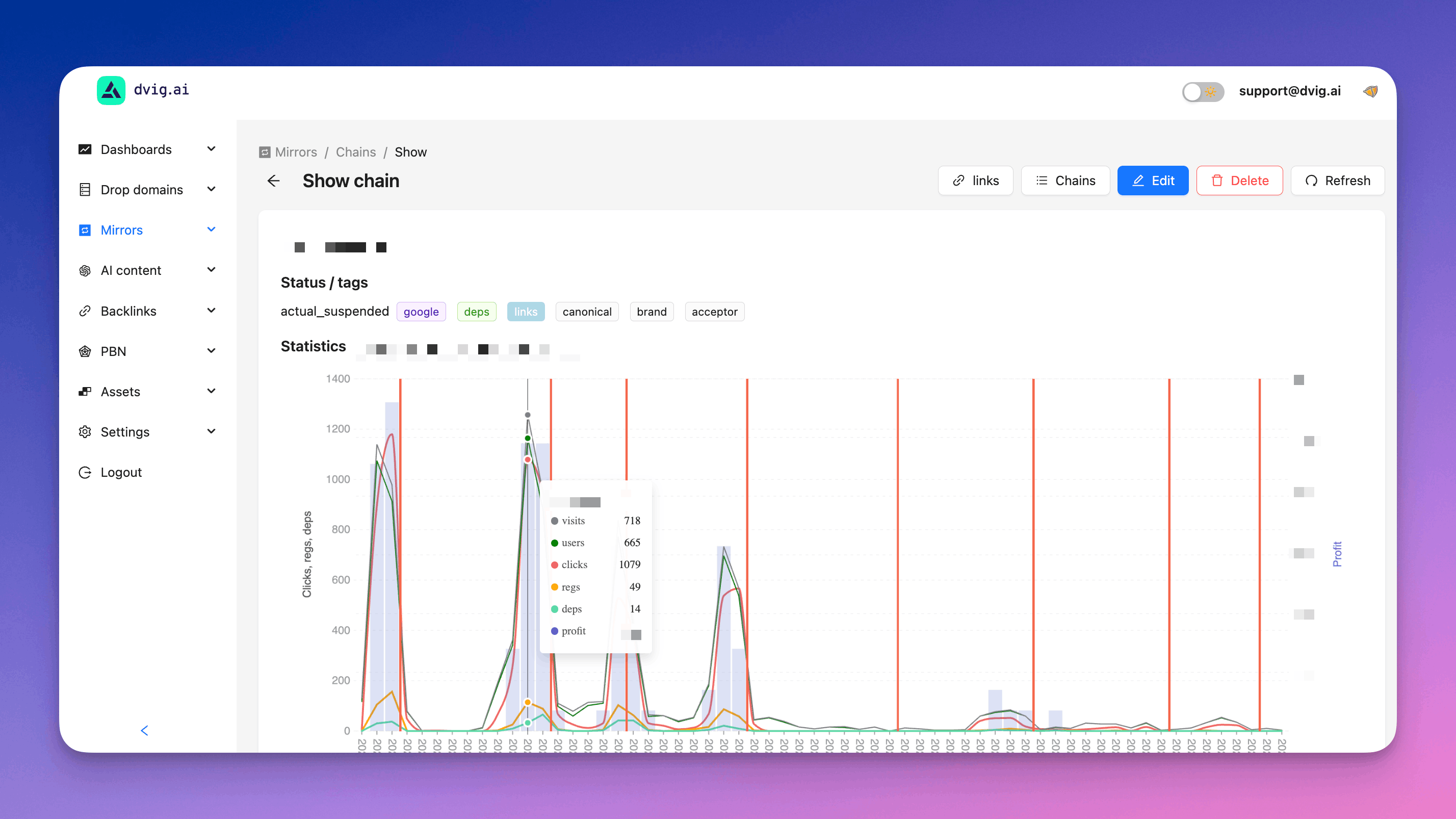
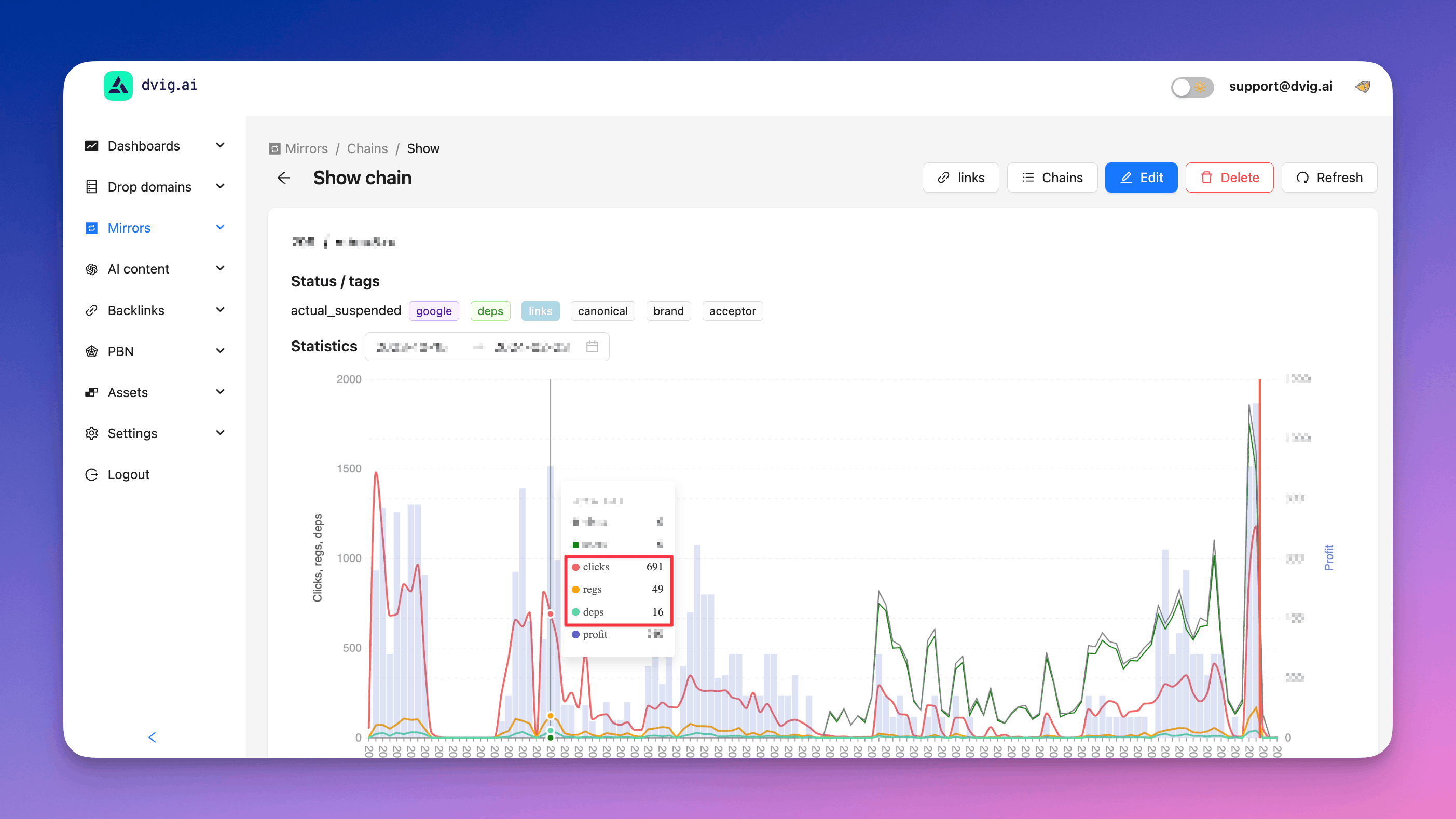
After a swap to a new domain, the replacement typically surfaced in search results within 5-7 days. The examples below show how this plays out in practice - both the ban dynamics and swap effectiveness. These are screenshots from the site management module showing analytics for specific mirrors. The vertical red line on each chart marks a domain swap.
Conclusions
1. Scale is the only winning strategy. The larger the network, the more stable the traffic flow. A single mirror is a liability. 8,000 domains with the right infrastructure is a manageable, resilient asset.
2. Attacks and blocks are operational reality, not exceptional events. The question is not whether they will happen. The question is whether your infrastructure keeps running when they do.
3. Without automation, this is not a viable business. 8,000+ domains, 67 brands, constant rotation - you cannot staff your way through that. Automation here is not about efficiency. It is about whether this model is operationally possible at all.
4. Legal tools alone will not protect your branded traffic. If you are an operator counting on lawyers and DMCA filings to hold the line on brand traffic cannibalization, the honest answer is that it works partially and unpredictably. Effectiveness varies sharply by market - in some jurisdictions it is a real lever, in others it is essentially useless. Understanding that distinction matters before you build a protection strategy around it.
Want to see the numbers in a more interactive format? We recorded a short screen capture walkthrough directly from the tracker: https://youtu.be/jb3VyrJJS8M.
P.S. On the ethics of all this. At Barrigaz, we have always believed that a fair contest of skill and strategy on the open, neutral arena of organic search is a perfectly legitimate pursuit. To the operators reading this - protect your brand from day one. Otherwise, you may find yourself receiving some “motivation” to take SEO seriously from others playing the same game.